February 20, 2026
As modern mobility grows more complex, traffic safety has become a defining priority. By 2026, advances in infrastructure, education, and cross-sector collaboration are reshaping how traffic control services manage the flow of traffic, reduce accidents, and protect all road users more effectively. Reflecting this momentum, according to Market Research Reports, the global traffic control services market is expected to reach $27 billion in the U.S. by 2030. By exploring the growing demand for these services, this article outlines several ways that traffic control services are actively working to make roadways as safe as possible.
Supporting Active Utility Work
Modern traffic control solutions are essential for keeping utility projects moving safely and efficiently, particularly in busy corridors and residential areas. Utility work frequently requires crews to operate within active roadways where traffic volumes remain high, and conditions can change quickly. Well-coordinated traffic control services help protect workers, guide motorists clearly through work zones, and minimize unnecessary slowdowns that can delay critical repairs or upgrades.
Effective traffic management focuses on clear traffic flow, proper spacing, and highly visible work zones so utility crews can remain productive with fewer interruptions. From water line repairs to underground infrastructure improvements, traffic control that functions smoothly reduces safety risks while allowing drivers, pedestrians, and cyclists to navigate the area with confidence. When traffic patterns are clearly communicated, utility teams can focus on completing work accurately rather than managing unpredictable vehicle behavior.
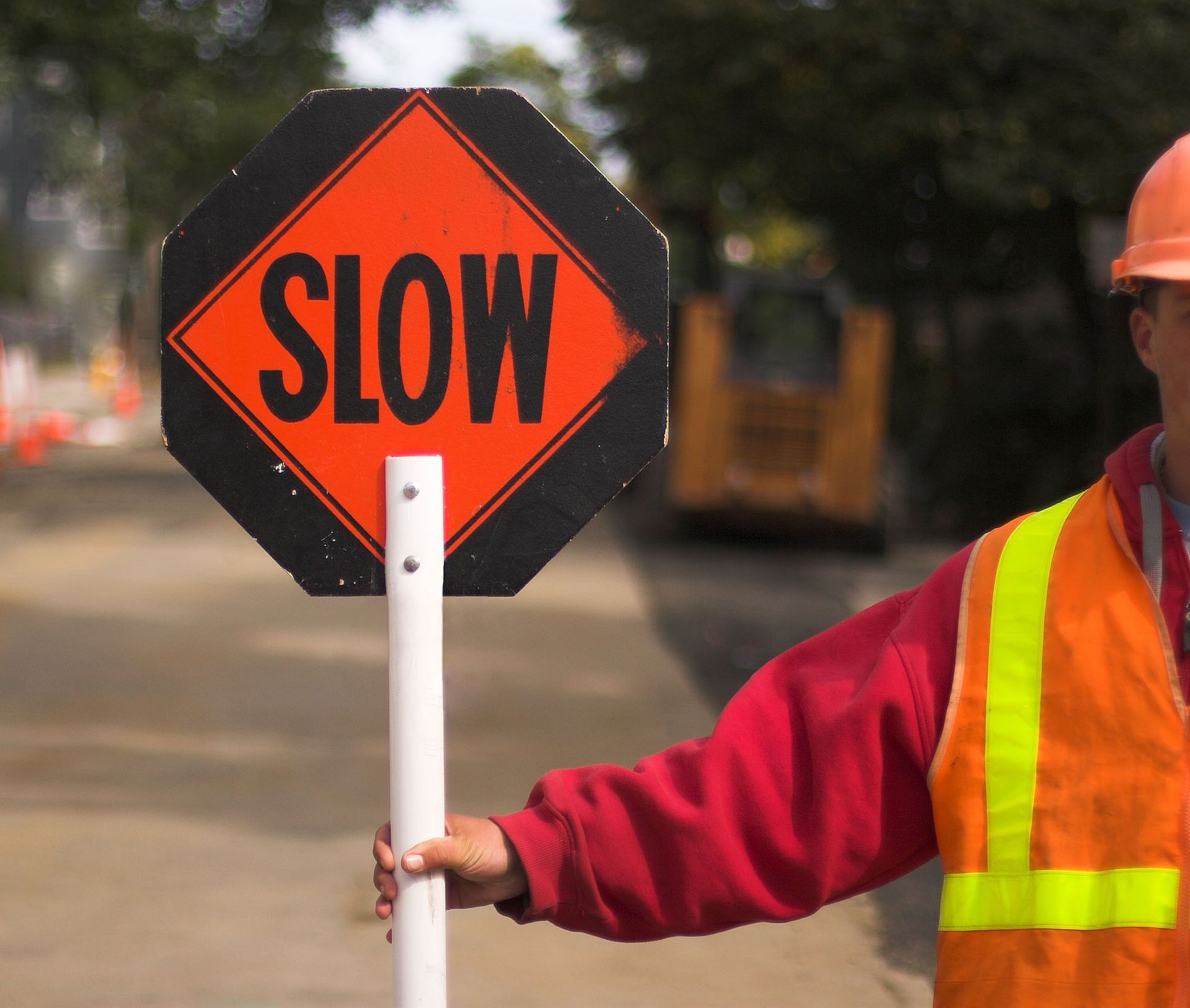
Certified flaggers and adaptive traffic setups also play a critical role throughout the workday. As equipment moves and work zones shift, traffic patterns must be adjusted in real time to reflect current site conditions. Ongoing planning and flexibility ensure traffic control evolves alongside the utility project, allowing crews to transition between phases smoothly. By aligning strategic traffic control services with utility operations, these modern solutions support safer worksites, improved efficiency, and reduced disruption for the surrounding community.
Ensuring Construction Work Zone Safety
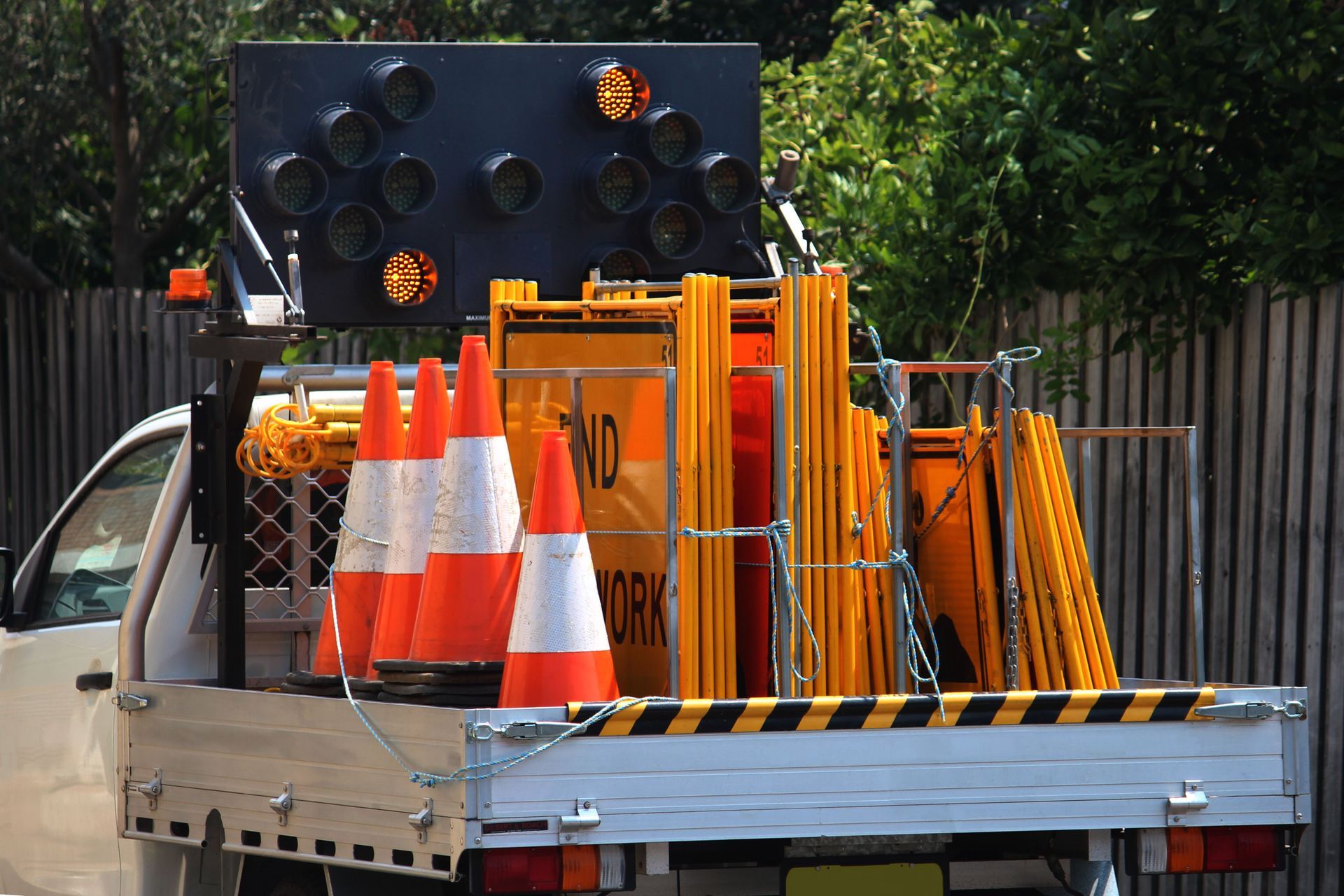
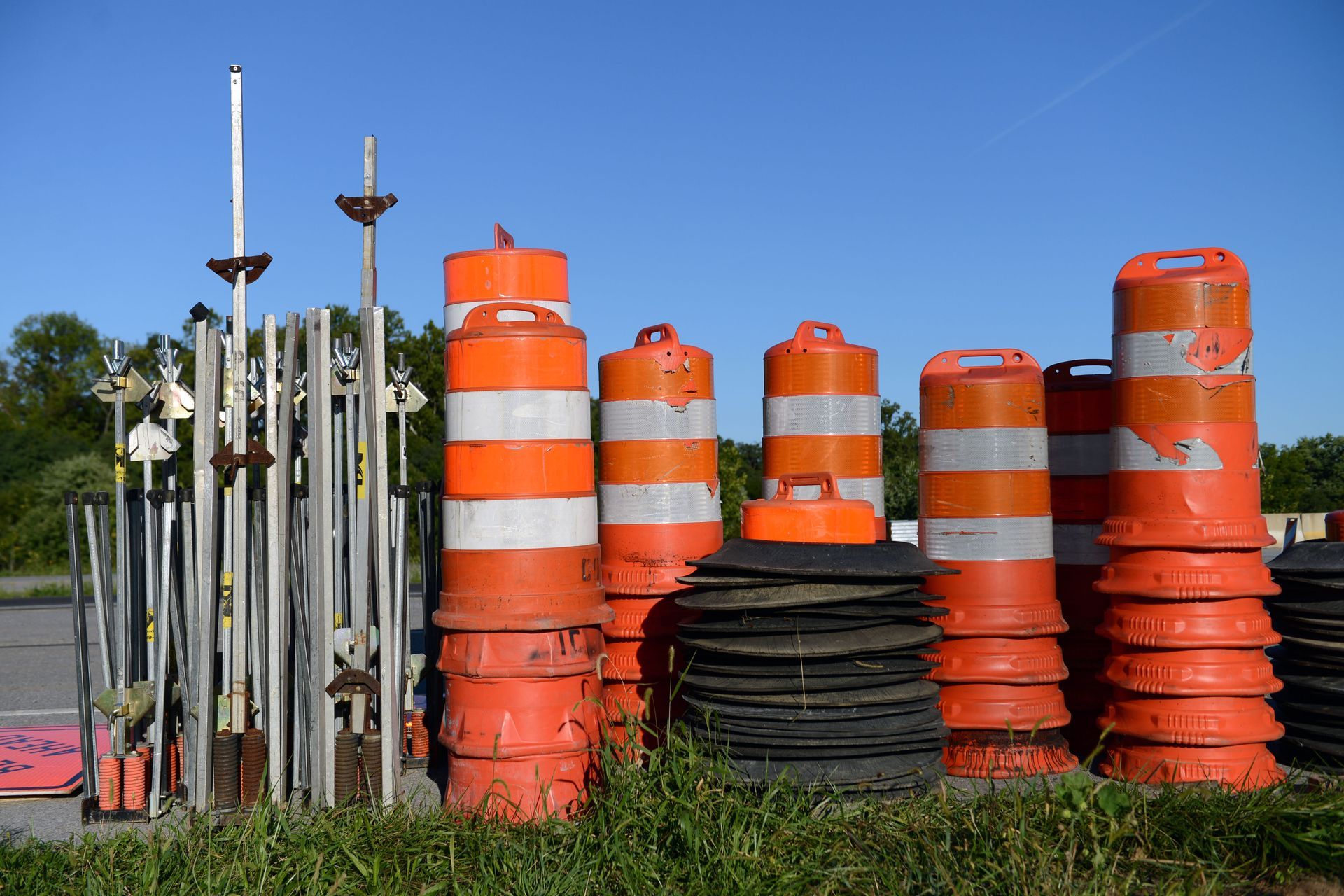
Professional traffic control services significantly improve work zone safety by creating clear, organized environments where drivers can move confidently, and workers can operate without unnecessary risk. Proper placement of signage, cones, and barricades provides advance warning and guides vehicles smoothly through or around active work zones. Consistent spacing and visible traffic devices reduce sudden braking and erratic lane changes, helping maintain predictable traffic flow in high-risk areas.
Effective work zone setups also support both short-term and extended projects by ensuring traffic control equipment is correctly installed and maintained throughout the job. Handling the placement, inspection, and adjustment of traffic devices removes a major logistical burden from utility crews, allowing them to remain focused on their tasks. Well-maintained traffic control measures prevent gaps in coverage that could otherwise compromise safety or disrupt surrounding traffic patterns.
Clear communication on active job sites further strengthens work zone safety. When multiple crews and contractors are operating simultaneously, coordinated communication between traffic control personnel and work teams is essential. Bilingual staff and direct on-site coordination reduce misunderstandings, improve response times, and ensure everyone remains aligned as conditions change. This level of coordination promotes smoother operations and safer interactions between workers and passing traffic.
Leveraging Public Infrastructure Developments
Infrastructure developments have been equally critical in improving traffic safety. Smart infrastructure designs cater to the specific needs and challenges posed by modern traffic. Roads are now equipped with sensors and IoT devices that continuously monitor and report on their condition. This real-time information allows for timely maintenance and reduces the risk of accidents caused by roadway hazards. As cities expand, these infrastructural adaptations become essential components of sustainable urban growth.
The expansion of pedestrian and cyclist paths has been a key focus of recent infrastructure projects. By 2026, cities have increasingly embraced the concept of multimodal transportation, emphasizing the importance of non-vehicular traffic. Dedicated lanes and pathways have significantly reduced the number of pedestrian and bicycle-related accidents. Urban planners continue to prioritize these developments, understanding that safe and accessible pathways for all user types encourage healthier and greener commuting practices. Such inclusive designs lead to a harmonious coexistence of all road users.
Improved road signage and markings have also contributed to enhanced safety and efficiency in traffic management. Clear, intuitive signage assists drivers and pedestrians in making informed decisions, reducing confusion and errors. Additionally, technologies enabling dynamic signage have been adopted, offering real-time updates and advisories to road users. These enhancements are supported by the deployment of advanced traffic cameras monitoring compliance and identifying infractions, ensuring adherence to road safety regulations. Collectively, these efforts underline the importance of continuous infrastructure development in promoting safer travel environments.
Promoting Public Awareness and Education
Public awareness and education are crucial aspects of traffic safety initiatives. Community engagement programs have been instrumental in fostering a culture of safety among road users. By organizing interactive sessions and disseminating educational content, these programs encourage active participation from local communities. In 2026, collaboration with schools to incorporate traffic safety into their curricula is showing significant results in cultivating responsible behavior among young road users. Engaging the community in traffic safety discussions elevates collective consciousness regarding the importance of responsible road usage.
Strategic awareness campaigns targeting drivers have been widely implemented across various media platforms. These campaigns often focus on specific issues like speeding, driving under the influence, and the use of mobile devices while driving. By utilizing compelling messages and data-driven insights, these campaigns aim to persuade drivers to adopt safer practices. Furthermore, through partnerships with local celebrities and influencers, the reach and impact of these campaigns have been substantially amplified. As a result, they contribute to a notable decrease in traffic incidents by making safety a prevalent topic in public discourse.
Social media has emerged as a powerful tool for promoting safety awareness. Platforms like Twitter and Facebook are utilized by traffic authorities to share real-time information and engage with the public. Social media campaigns focus on educating users about rules, guidelines, and current conditions affecting traffic safety. These campaigns have proven effective in reaching diverse audiences and facilitating feedback loops between authorities and road users. Workshops and seminars for road users, supplemented by engaging social media content, create a comprehensive educational ecosystem empowering individuals with the knowledge necessary to navigate roads safely.
Initiating Collaborative Efforts in Traffic Safety
Collaborative efforts between different sectors have seen a noticeable enhancement in traffic safety measures. Partnerships with technology companies have been particularly fruitful, leading to the integration of cutting-edge technologies in traffic management systems. These collaborations have resulted in innovative solutions such as cloud-based traffic platforms and predictive analytics, which optimize traffic operations. Additionally, continued investment in research by these companies accelerates the discovery and implementation of new safety technologies. Together, these collaborations signify a proactive approach to addressing contemporary traffic challenges.
Local governments play a substantial role in driving traffic safety initiatives. Through collaboration with municipal agencies and non-profit organizations, governments have implemented numerous projects aimed at improving road safety. These collaborations often involve the sharing of resources and expertise to achieve common goals efficiently. Programs such as Vision Zero, which is committed to eliminating traffic fatalities and severe injuries, exemplify successful governmental involvement. By aligning strategies and pooling resources, these partnerships enhance the execution and impact of traffic safety projects.
The integration of healthcare and emergency services with traffic management systems further bolsters traffic safety protocols. Improving communication channels and response times for emergencies remains a key focus. Advanced systems enable quicker dispatch of emergency vehicles and provide real-time guidance, drastically reducing response times. Such integration ensures a streamlined process for handling accidents and medical emergencies, ultimately saving lives. Global conferences and initiatives often spotlight these collaborative efforts, emphasizing their importance in achieving comprehensive traffic safety objectives across distinct regions and demographics.
As roadways continue to evolve in 2026, traffic safety is no longer addressed through isolated solutions but through coordinated systems that balance technology, planning, and human behavior. From supporting active utility work and safeguarding construction zones to advancing smart infrastructure and expanding multimodal access, traffic control services play a central role in creating predictable, well-managed road environments. These efforts reduce risk not only for drivers, but also for workers, pedestrians, and cyclists who rely on clear guidance and consistent traffic patterns every day. If you are looking for reliable traffic control services, be sure to contact SOUTHEAST TRAFFIC SOLUTIONS LLC!